
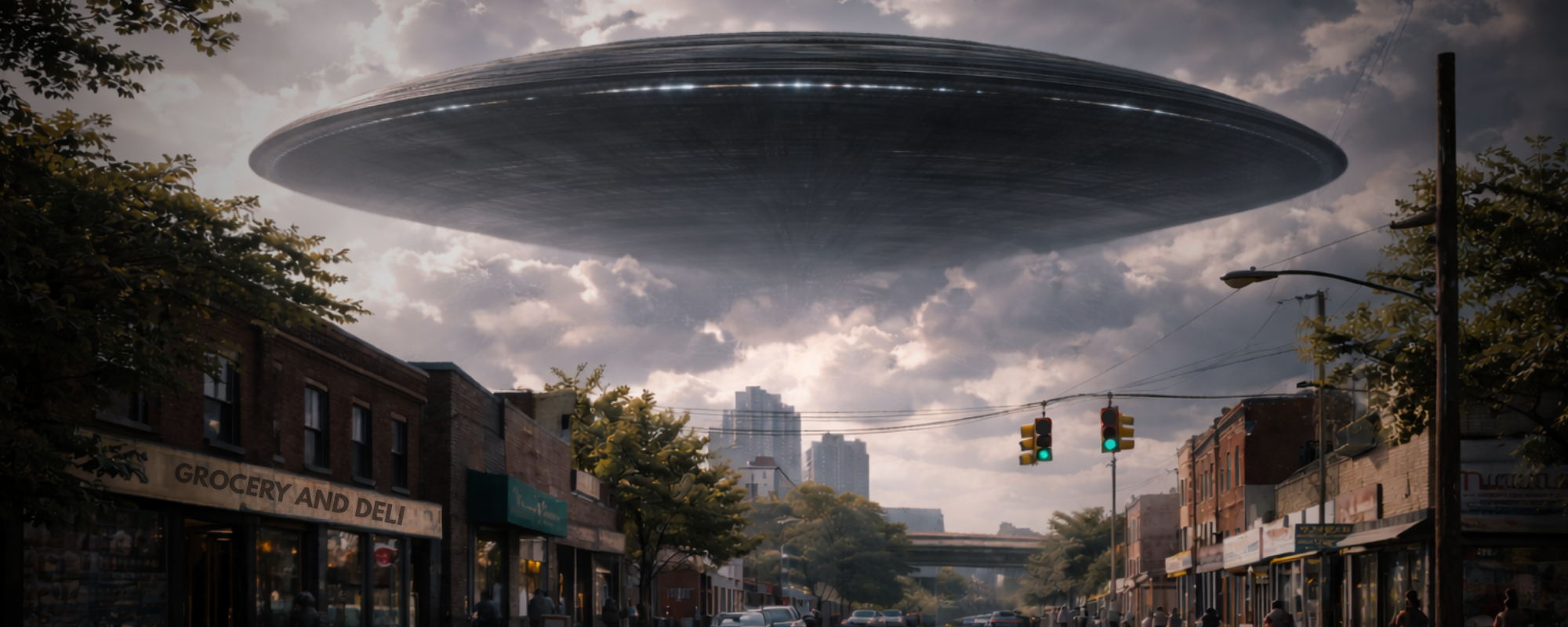
Weeks into an alien presence that has become impossible to ignore and yet disturbingly routine, life in the city continues beneath a massive craft still suspended above the skyline. Patrols pass. News cycles repeat. People adapt.
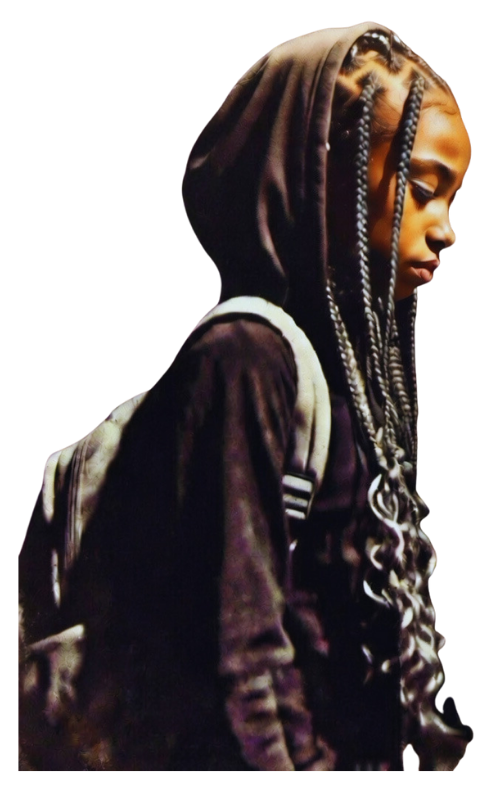
ALONE follows Sam, a young girl moving carefully through public spaces with a secret she cannot divulge without dire consequences. While others attempt to resume daily rhythms, Sam’s focus is narrower and more urgent: to pass unnoticed, to finish what she needs to do, and to get back home.
The film stays close to her perspective as she navigates a world where attention undermines survival and calm must be actively performed. Beneath the appearance of normalcy, pressure builds, internal, external, and unseen, forcing Sam to balance responsibility far beyond her years.




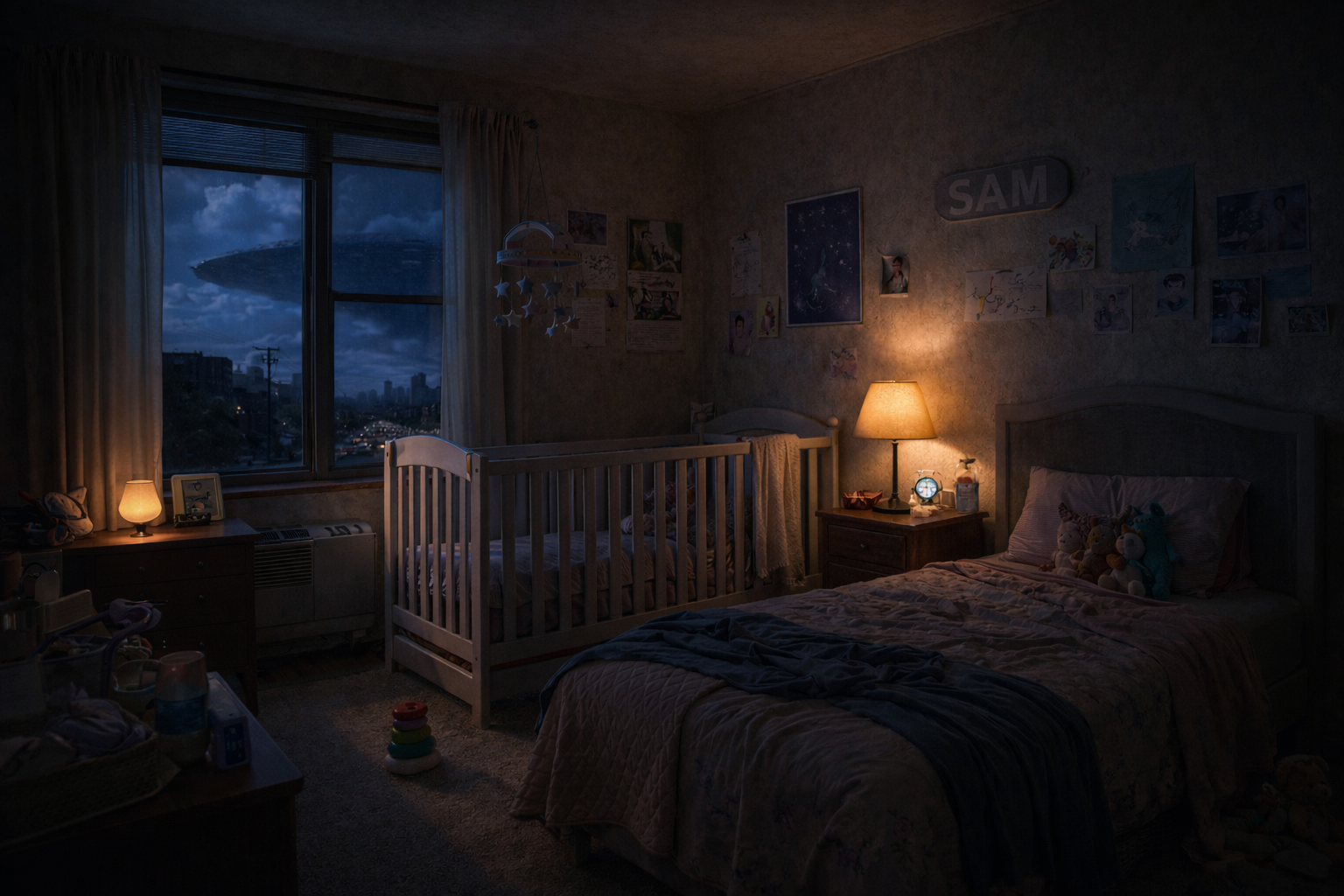
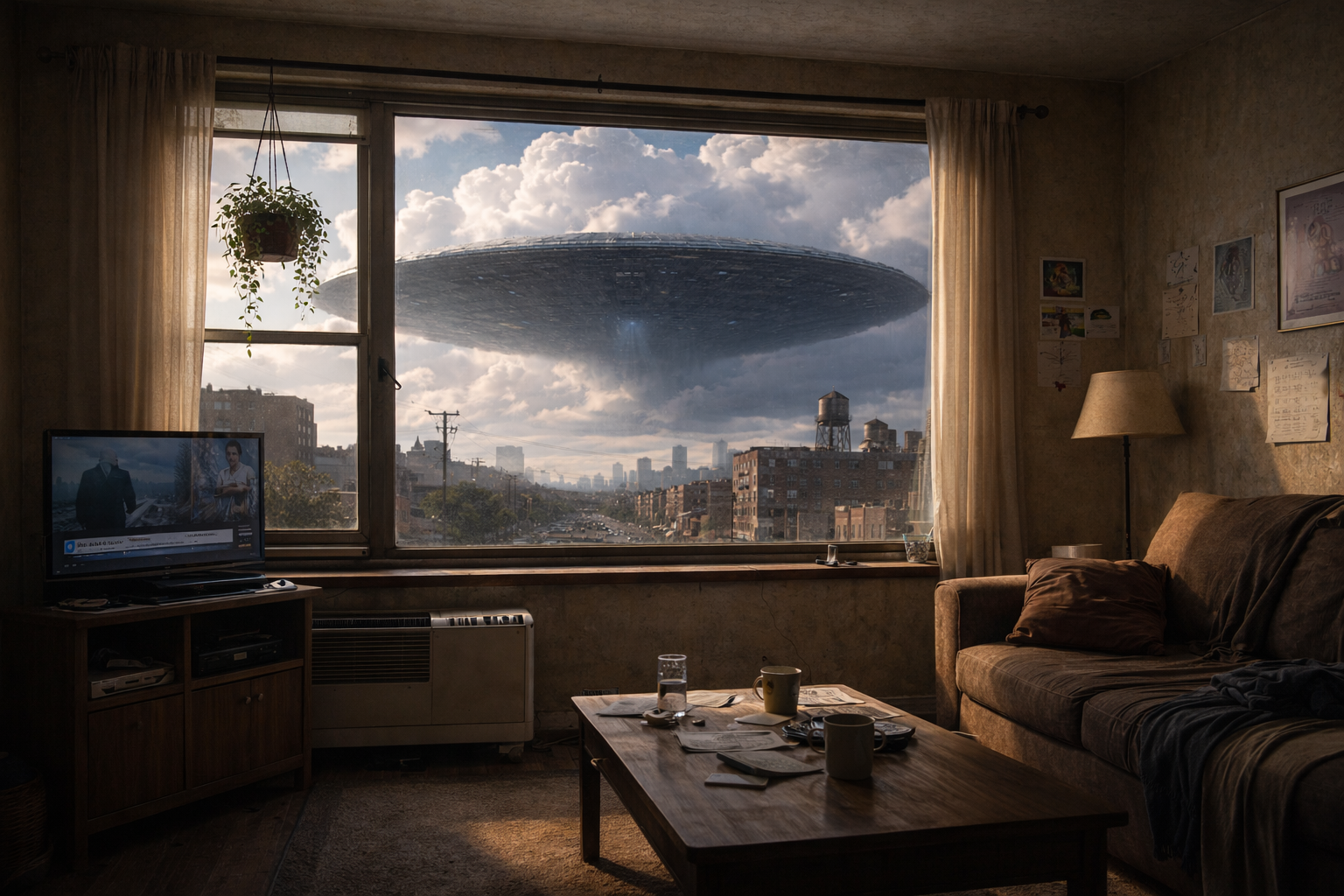
The visual language of ALONE is rooted in realism. Familiar environments, sidewalks, storefronts, intersections, and living spaces, are treated with observational distance, allowing the extraordinary to exist without spectacle.
Wide compositions emphasize scale and isolation, while quiet street-level moments reinforce the effort it takes to appear normal. The world feels lived-in, grounded, and ongoing, a place that has already begun adjusting to something it does not understand.
Much of ALONE unfolds through restraint, not because nothing is happening, but because too much is. The film withholds overt panic, choosing instead to let tension live beneath the surface of ordinary moments.
While Sam moves quietly through the neighborhood, fear, urgency, and protection operate just beyond the frame. What the audience does not see is as important as what they do. This absence mirrors Sam’s own need to remain unnoticed, and invites the viewer to experience danger not through spectacle, but through proximity and pressure.
When it comes to tone and storytelling approach, ALONE prioritizes inference over explanation. Dialogue is sparse, exposition is avoided, and meaning emerges through framing, pacing, and silence. The film trusts the audience to observe, connect, and sit with uncertainty.
Rather than building tension through escalation, the story allows pressure to accumulate slowly. Calm is presented not as safety, but as a fragile performance, one that can fracture under scrutiny. The result is a restrained science-fiction narrative that finds its intensity in what is contained rather than revealed.
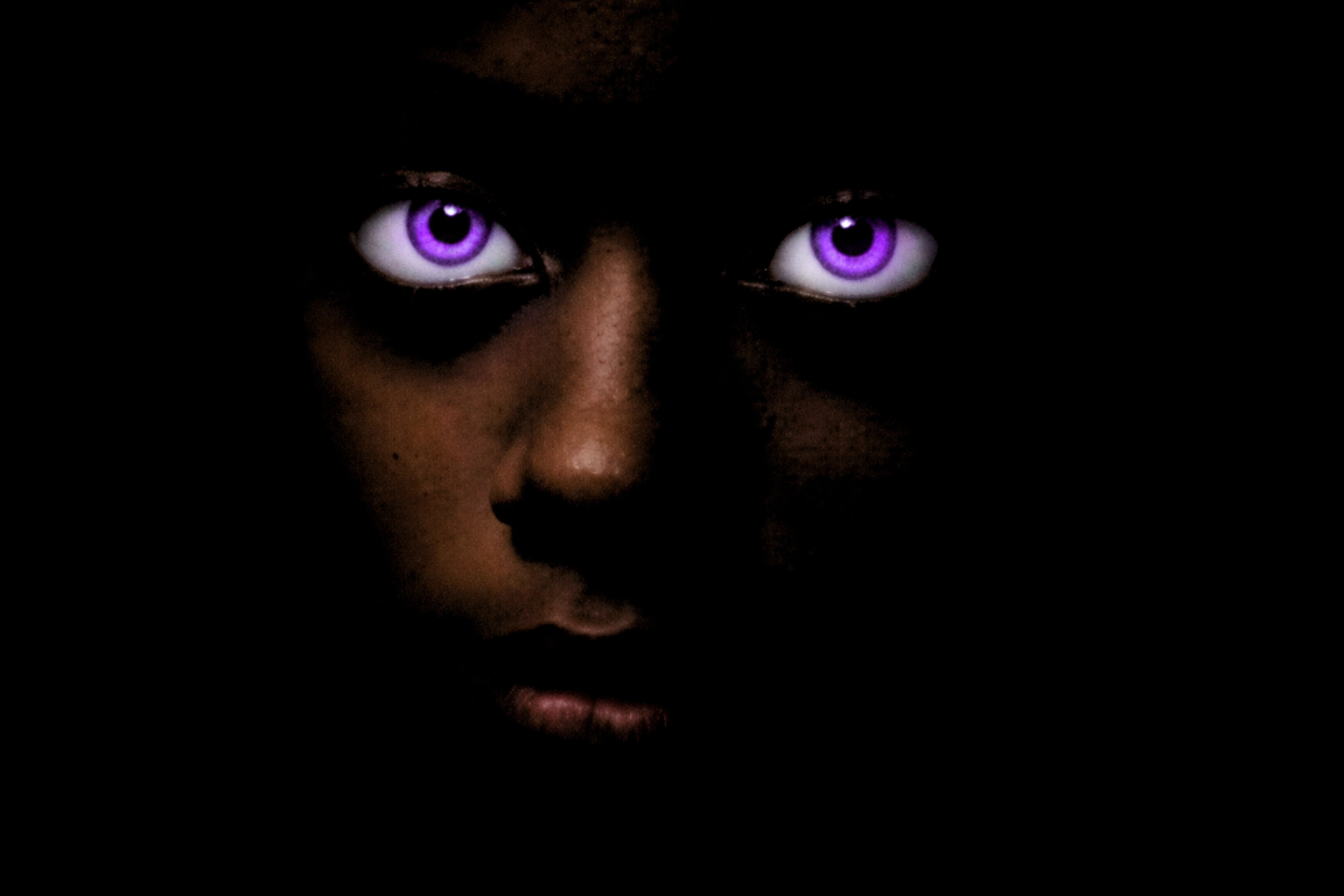

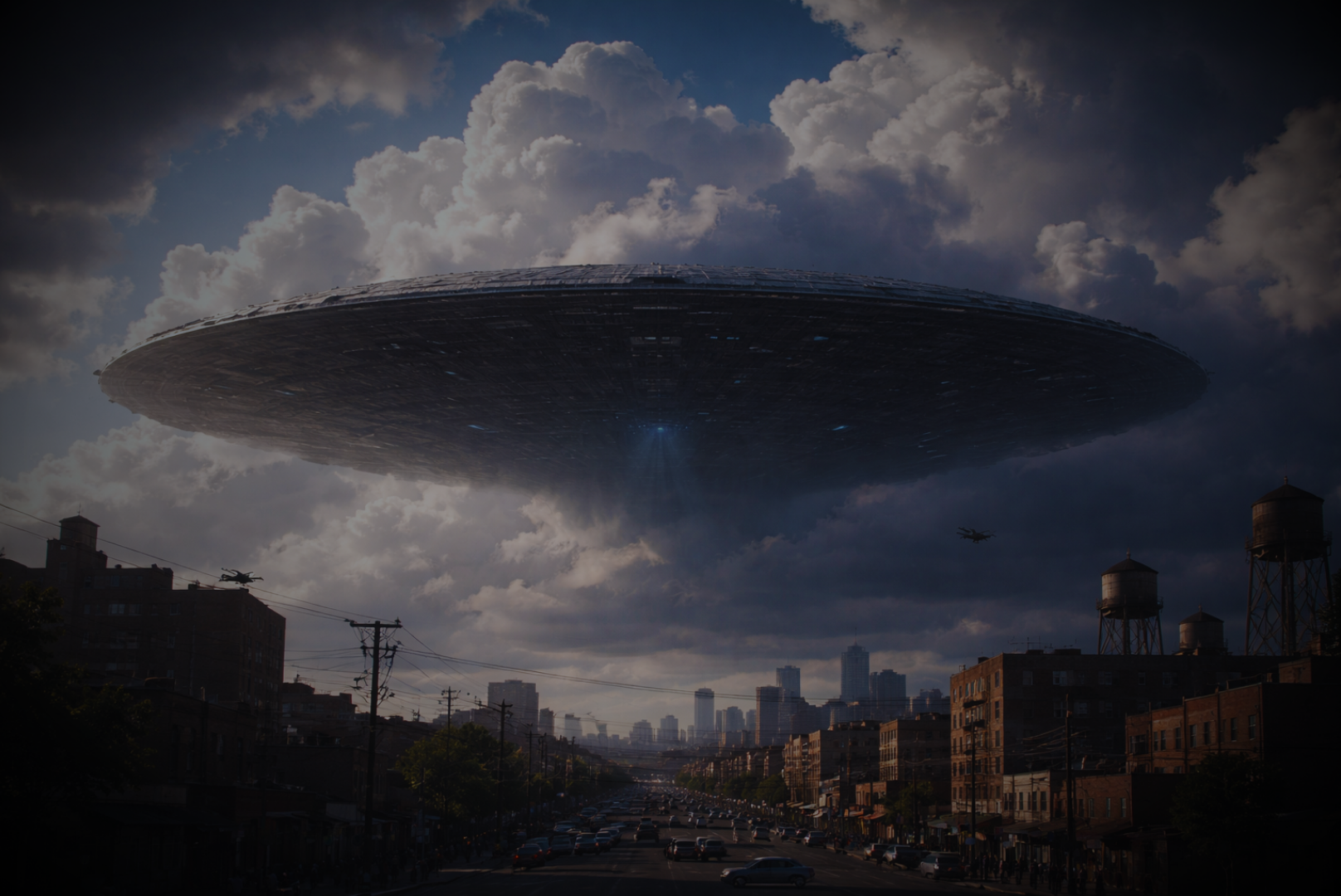
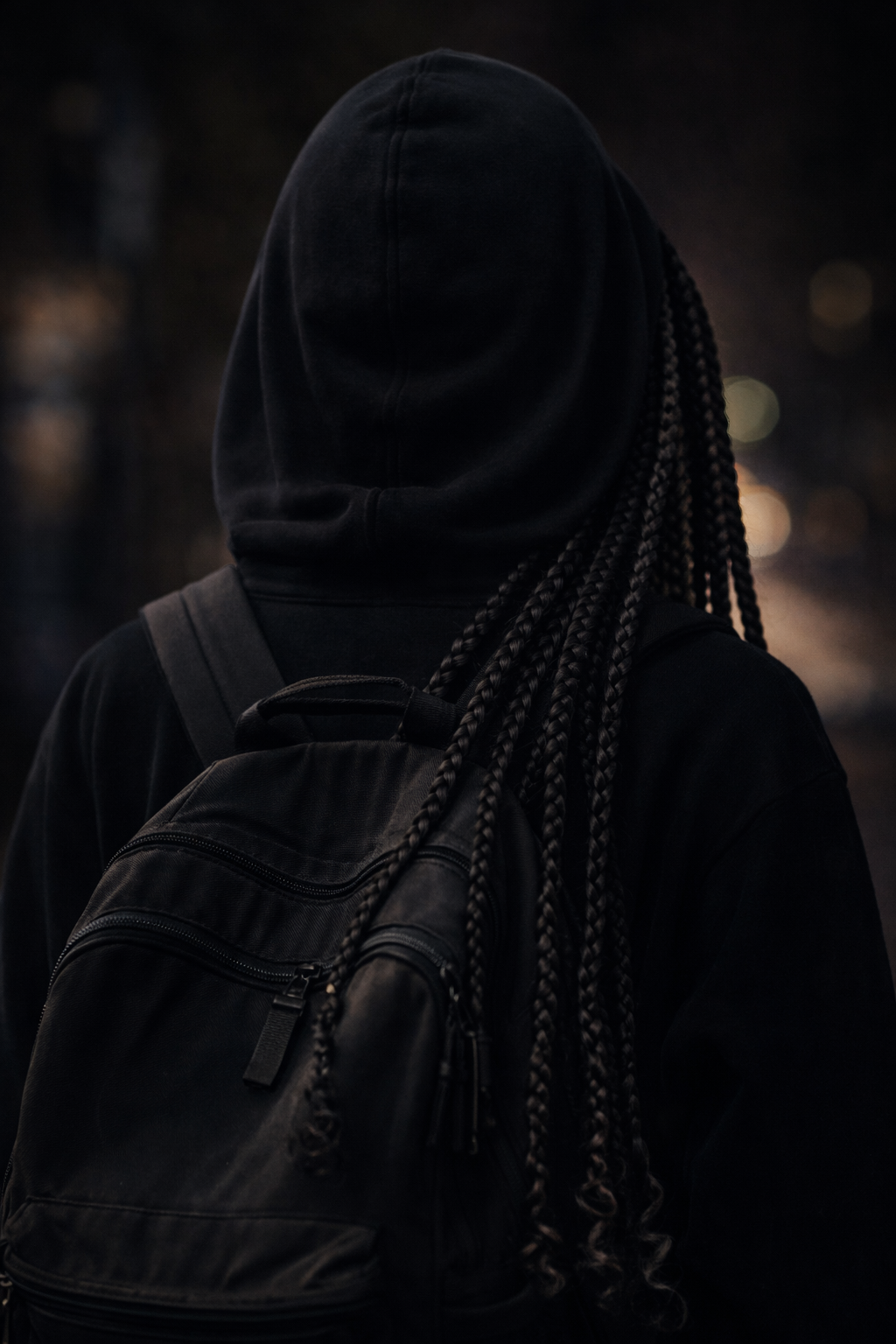
ALONE is a contained story with a wider horizon. The short exists as a standalone, yet proof-of-concept film demonstrating how a speculative world can be introduced through intimacy rather than overt escalation.
Instead of explaining mythology or resolving conflict, the film focuses on proximity: how individuals adapt when disruption becomes routine, and how quiet choices carry weight in moments of pressure. This approach forms the foundation for a larger narrative, one that expands outward while preserving the same grounded, character-driven lens.
The short serves as exploratory canon for a feature film, while anchoring the character’s narrative in such a way that there’s more beneath the surface than your typical science fiction journey. Welcome to Sam’s world.
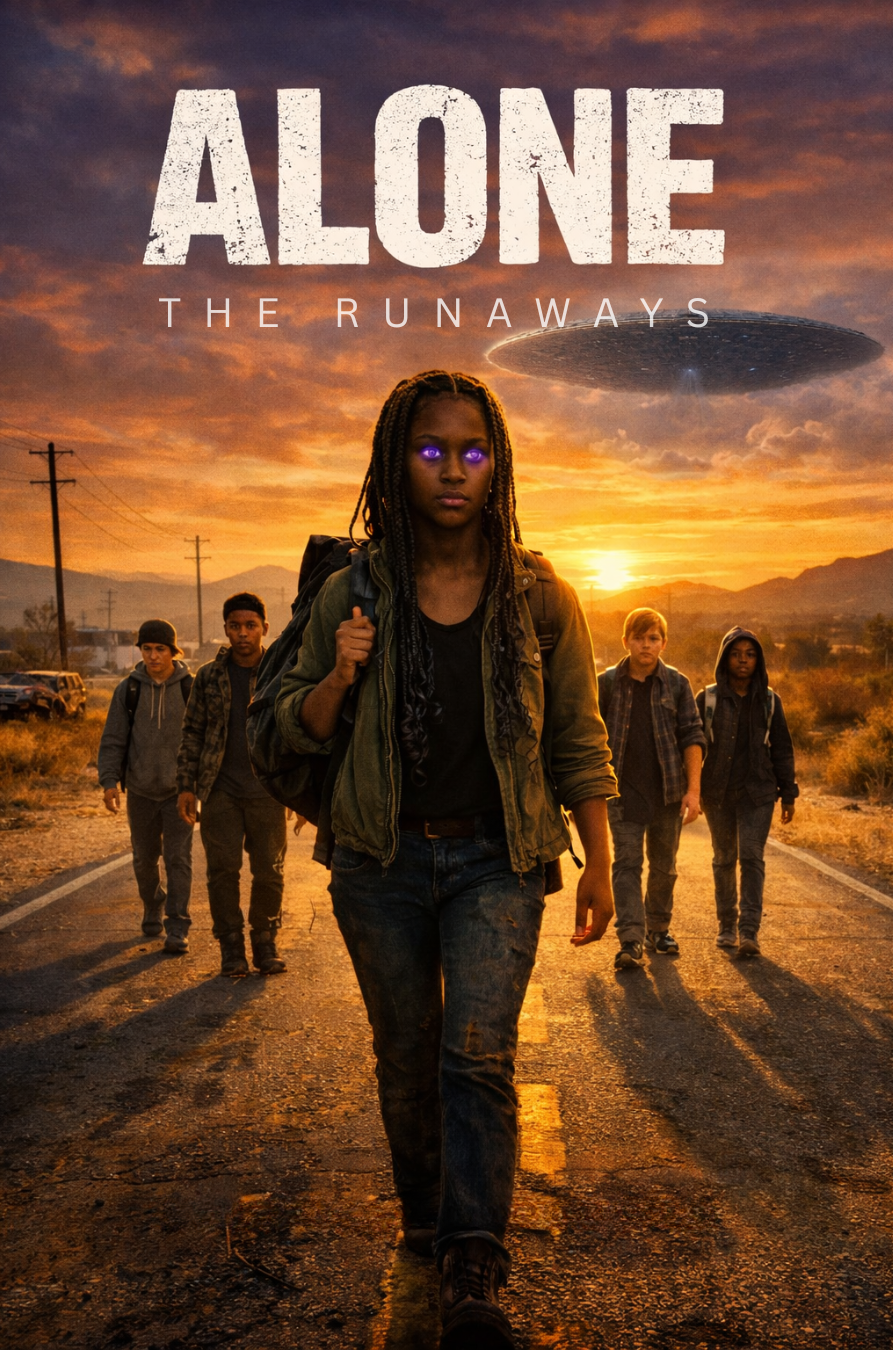
The feature film will be set five years after the alien incursion reshaped the world. Samaya “Sam” Washington has learned how to disappear. Living under an alias in a residential foster facility, Sam hides both her intelligence and the truth about what she is: a hybrid, with her life altered by forces that took her father. When Sam uncovers evidence that he may still be alive, she escapes with four other teens, each running from a system that has already failed them.
What begins as a calculated escape becomes a fragile road journey across a watchful, unsettled America. As tensions rise, loyalties are tested, and Sam’s abilities threaten to surface, the group must decide whether they are simply running, or becoming something like a family. With authorities closing in and the truth growing harder to contain, Sam is forced to confront not just how to save her father, but whether revealing who she is will cost her the only people willing to follow her.
At its core, ALONE: The Runways is a classic coming-of-age adventure about chosen family, survival under surveillance, and the cost of hiding who you are in order to keep the people you love safe.